

Imma Perfetto
Cosmos science journalist
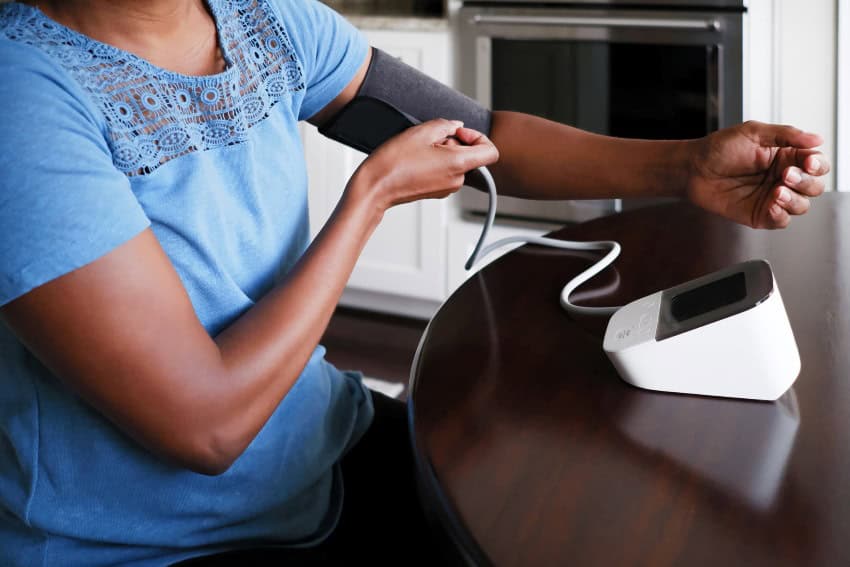
The findings of a new preclinical study help explain why women experience cardiovascular disease differently from men, especially when they have high blood pressure.
“Our study reveals a biological link between the female hormone oestrogen and the protein annexin-AI (ANXA1) which protects the heart – something scientists didn’t fully understand before,” says first author Dr Jaideep Singh, a researcher at the Monash Institute of Pharmaceutical Sciences (MIPS), Australia.
“Essentially, we found that oestrogen helps increase ANXA1 protein. And, when ANXA1 is missing, the heart is more vulnerable to damage due to poor mitochondrial function – the body’s energy system.”
They demonstrated that oestrogen increases levels of ANXA1 in human aortic smooth muscle cells. They also showed that a deficiency in this protein exacerbated cardiovascular damage caused by high blood pressure in mice of both sexes, with a greater effect in female mice.
This suggests the oestrogen-ANXA1 association plays an important role in protecting women’s hearts from damage caused by high blood pressure. The findings could lead to new treatments – such as medicines that mimic ANXA1 – designed to improve heart health in women.
“We’re really excited about what this discovery could mean for future new treatments that enhance ANXA1, providing better protection for women with high blood pressure,” Singh says.
“These therapies might help prevent serious problems like heart failure by focusing on the unique ways [in which] women’s hearts and blood vessels work. It also highlights the importance of doctors considering sex differences when deciding how to treat heart disease.”
According to The World Health Organization (WHO), cardiovascular diseases (CVDs) are the leading cause of death globally. An estimated 17.9 million people died from CVDs in 2019, representing 32% of all global deaths.

High blood pressure (hypertension) is a major risk factor of CVDs. But, while both men and women develop hypertension, there are well-established sex differences in the incidence and severity of the condition.
“Men typically experience a higher incidence of hypertension than women, with this disparity persisting until the sixth decade of life,” write the authors of the study. “Recent evidence suggests that the risk of cardiovascular complications arises at a lower blood pressure (BP) in females than in males, challenging the current approach of using the same BP threshold for both sexes.”
Dr Chengxue Helena Qin, co-lead author from MIPS, says there is a major gap in understanding how high blood pressure and its treatments affect men and women differently.
“Clinical trials have historically overlooked sex-specific responses, leaving women underrepresented and underserved. There’s an urgent need to uncover the distinct mechanisms driving hypertension and its cardiovascular complications in females – an underexplored population. Closing this knowledge gap is essential for developing more effective, sex-specific treatments.
“Our goal is to move towards studying how estrogen controls ANXA1 in humans to see if it works the same way as in animals. This process will involve testing new medicines that boost ANXA1 in animal studies to check if these can protect the heart from damage caused by high blood pressure. Additionally, our team will investigate whether this protective system plays a role in other heart conditions that impact men and women differently,” she says.
The research has been published in the journal Communications Biology.