

The drugs don’t work as well these days. As diseases such as tuberculosis and golden staph become resistant to our treatments, Amalyah Hart dives deep in the search for new antibiotics.
In October 2013, a British research vessel carrying a team of scientists set sail from Santa Cruz, on the island of Tenerife, Spain. Its destination was the Caribbean island of Trinidad, by way of a deep scar in the seafloor known as the Mid-Atlantic Ridge.
On board was biogeochemist Kate Hendry, then a professor at the University of Bristol, UK. Hendry was interested in the chemistry of seawater – how nutrients and other important compounds circle the world’s oceans, and how changes in temperature and chemistry can disrupt this finely tuned system.
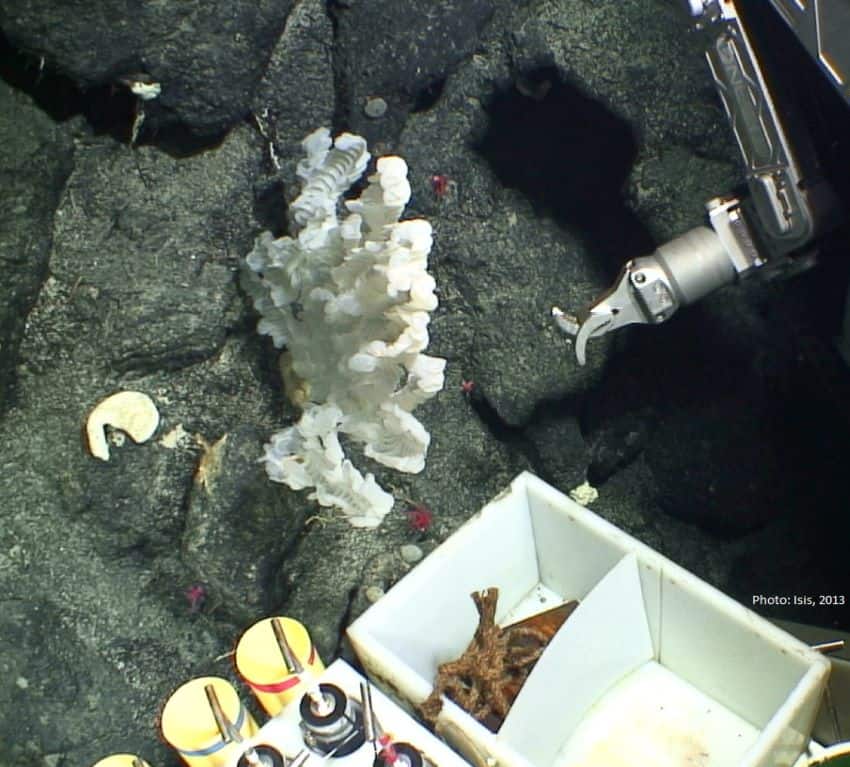
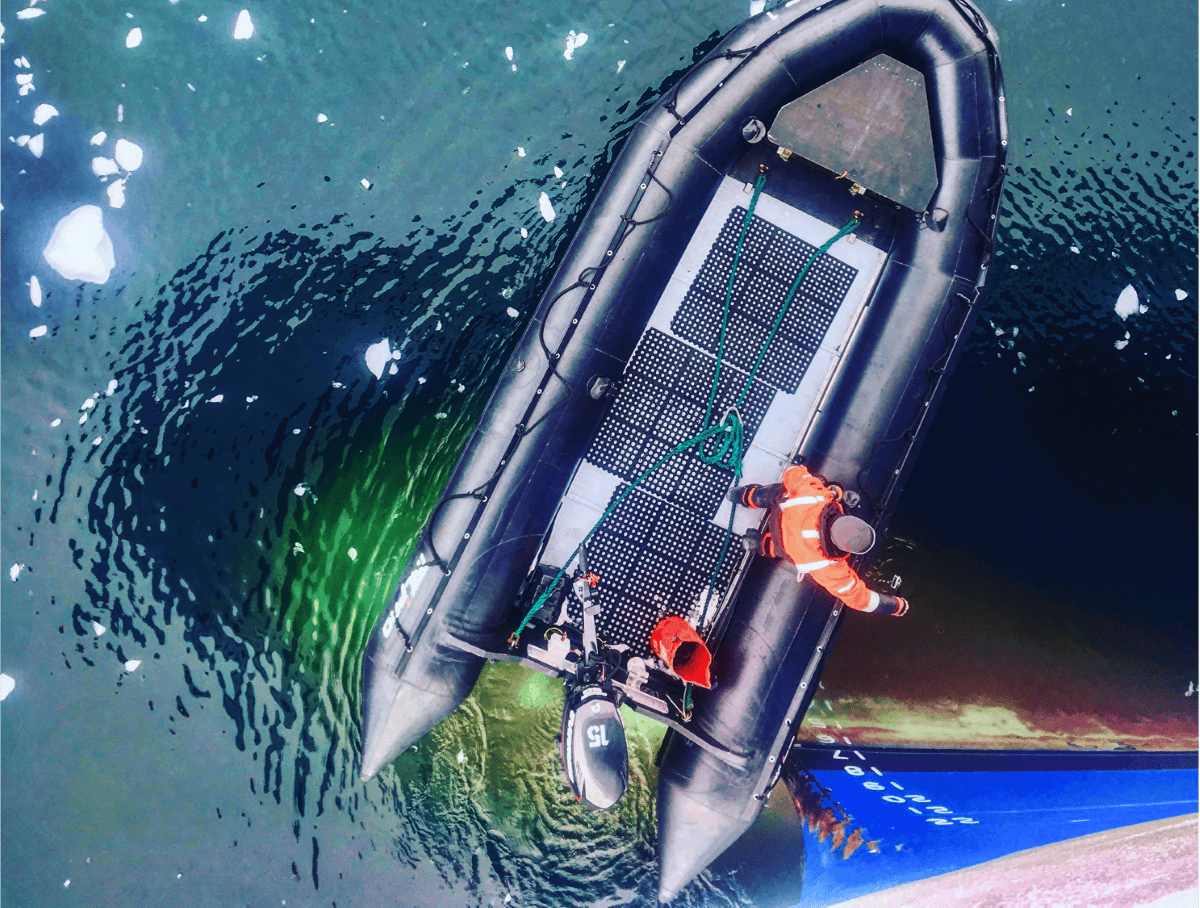
Over the course of the 7-week cruise, Hendry would spend hours sitting in the control room, watching as highly trained technicians navigated remotely operated vehicles across the seabed, gathering samples as they went.
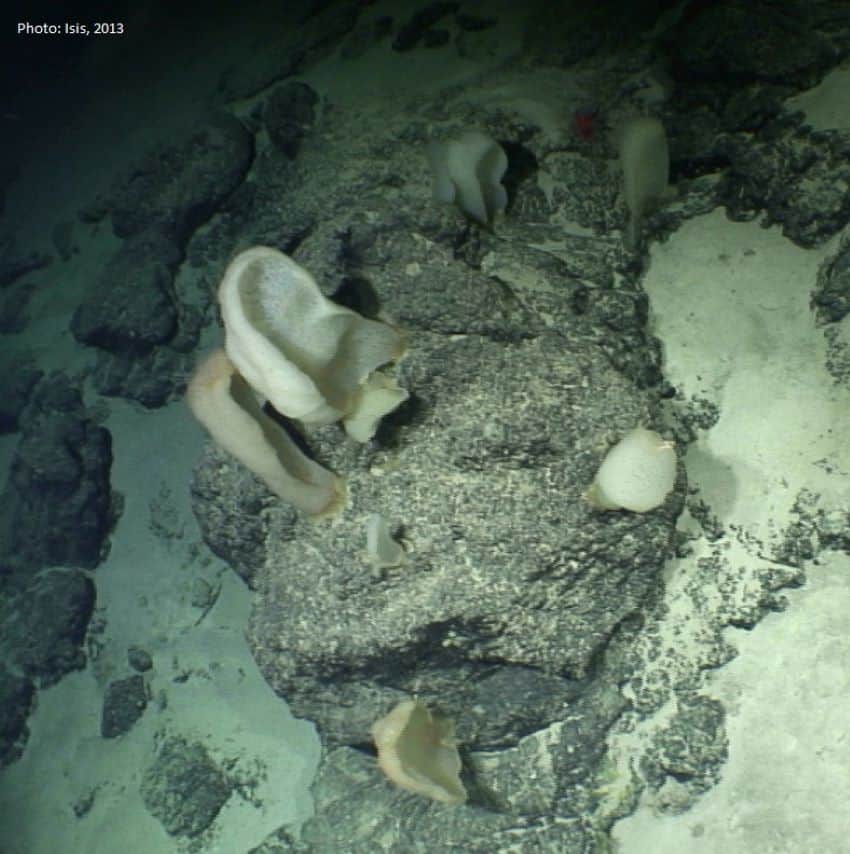
Hendry was looking for marine sponges living in clefts in the seabed and on the slopes of seamounts. She wanted samples both alive and dead, so she could trace the availability of nutrients in the oceans of the past and present.
She had also promised to save some pieces for a friend. Hendry had agreed to share some of her samples with microbiologist Paul Race, another professor at Bristol.
Race was hunting for new drugs to counter the emergence of antimicrobial resistance (AMR) – a problem the World Health Organization (WHO) identifies as one of humanity’s greatest existential threats. He hoped these sponges might contain compounds that could help him.
A history of antibiotics
It’s one of science’s most famous flukes. In 1928, Scottish physician and microbiologist Dr Alexander Fleming returned from a holiday to find that a petri dish containing Staphylococcus aureus – a common bacteria found on human skin and in mucus that can be particularly dangerous if it enters the bloodstream – had been contaminated with a fungus.
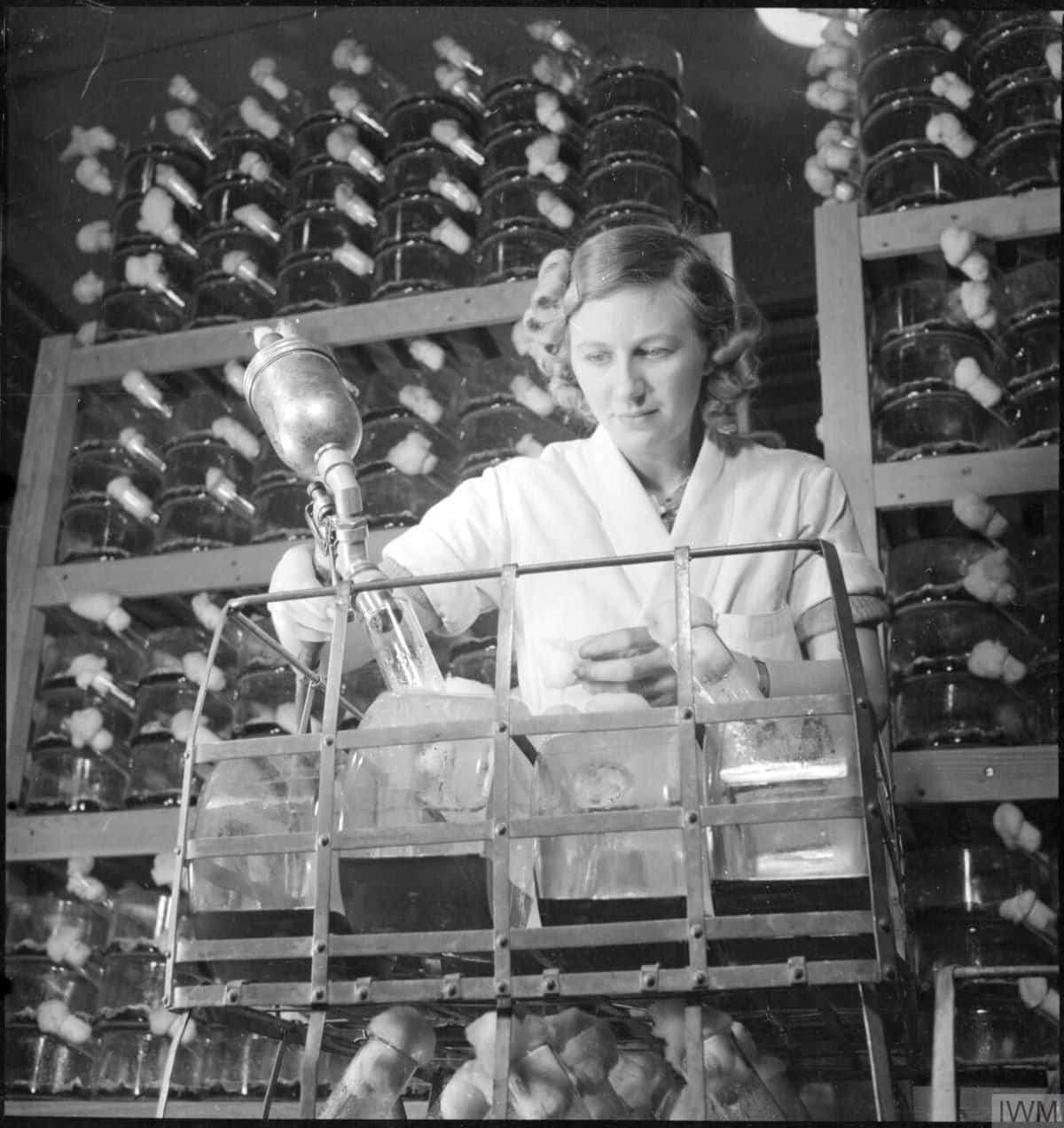
Startlingly, the bacteria were conspicuously absent in the area around the fungus. What Fleming had discovered was a substance he named penicillin, and it was produced naturally by the mould to fight off bacteria.
It took nearly 2 decades to come to market in the UK, but penicillin was the first antibiotic. It would go on to save more than 500 million people around the world from fatal infection.
This remarkable accident kicked off what’s known in microbiology as the Golden Age of antibiotic discovery.
The period between the 1940s and 1960s saw the discovery and commercialisation of most of the antibiotics we use today. Many of these came from microbes themselves.
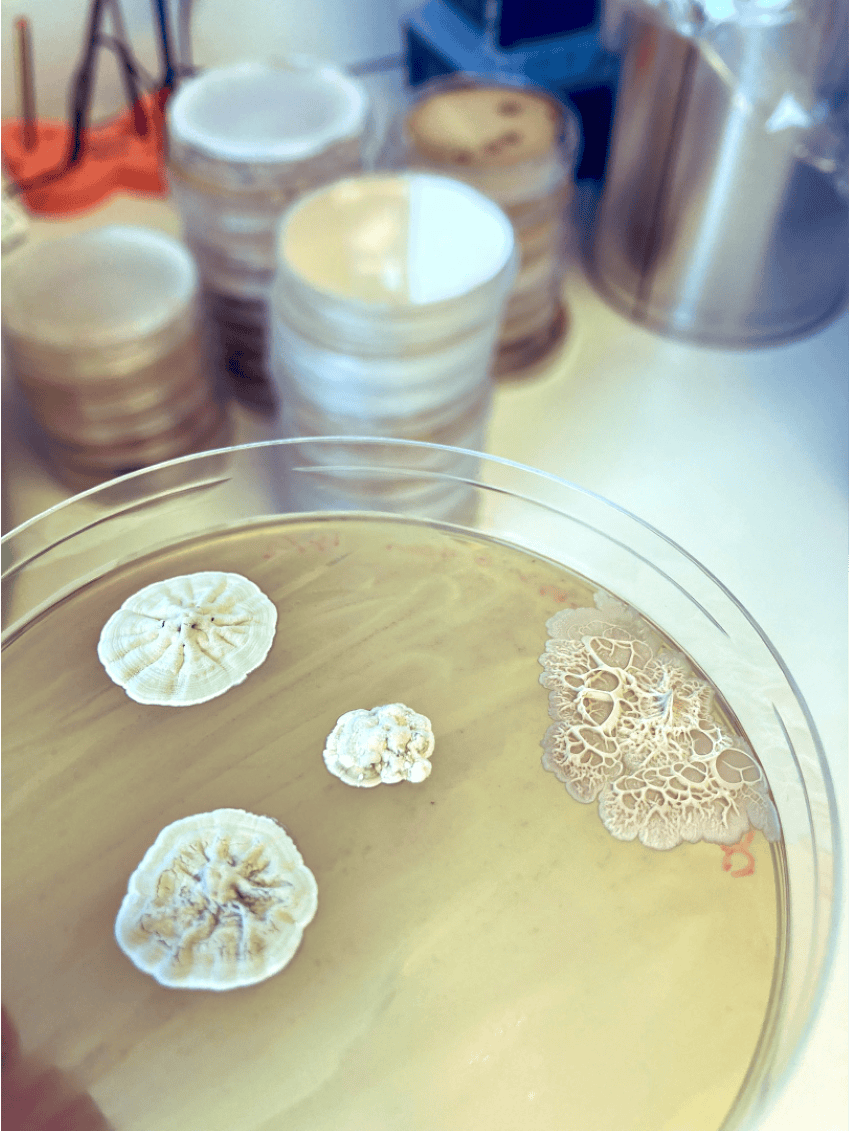
In particular, it’s estimated that about 64% of the antibiotics in use today were developed from compounds produced by the abundant phylum of bacteria known as Actinomycetota. Variants of these bacteria live in almost every corner of Earth, from the waters of the Arctic to the soil of the Amazon.
“They’re these incredibly talented producers of chemistry,” explains Katherine Duncan, an expert in marine microbial antibiotics at Newcastle University, UK. “They’ve got large genomes, lots of biosynthetic gene clusters that code for antibiotics, and they also reside in a lot of different environments.”
Golden Ages are generally defined only after their decline and collapse – and antibiotic discovery was no different. Since the 1960s, the discovery of new drugs has slowed dramatically.
“What’s happened over time is people have routinely returned to the same types of environments to try to find microbial life, and that’s created a replication problem,” explains Race.
The race against resistance
Today, AMR – the development of immunity to antibiotics by pathogenic (disease-causing) bacteria and microbes – is globally recognised as a major and imminent threat to human life.
In 2019, an estimated 1.2 million deaths globally were attributed directly to AMR. Tragically, one in 5 deaths due to AMR occurred in children under 5 years old. And this problem is still growing. Nearly 40 million people are predicted to die from antibiotic-resistant infections between now and 2050. Resistance is compounded by the over-prescription of antibiotics by doctors, and the over-use of antibiotics in agriculture, where they’re added to livestock feed to improve growth rates in healthy animals.
And unfortunately, our efforts to prevent AMR also stymie investment into new antibiotics. When a new drug is developed, it’s kept as a last resort – which means low sales and low profit potential.

But resistance is ultimately an inevitable counterpoint to the existence of antibiotics, as Race points out. The trick is to stay ahead in the evolutionary arms race.
“Bacteria are very crafty beings, and they acquire mechanisms to circumvent the effects of the antibiotics we use,” he says. “There’s this misconception that it’s feasible to come up with a single solution – a silver bullet that fixes the problem.”
“You’re never actually going to be able to do that, so what you need to do is stay one step ahead of the curve. This means you need a constant pipeline of new antibiotics, which kill bacteria in new and different ways.”
“The general public probably think there is a bit of an endless supply,” adds Duncan. “But every company has different brand names for the same drug.”
In fact, there are roughly 9 major classes of antibiotics – though opinions on classification can vary – and a few additional, specialised classes exist. There haven’t been any new major classes of antibiotics developed since 1987.
Antibiotics in the same class typically fight pathogens in the same way. And that can have implications for AMR.
“Antibiotic resistance is obviously a wider problem about misuse and education, but one thing is pretty clear,” says Duncan. “We need new chemistry.”
A distant search
Back on land, Hendry handed over some of her samples to Race, who set to work delving into each sponge sample’s microbiome – the complex community of microorganisms that inhabit every living thing.
According to Race, solving the problem of replication requires looking in new places, where species have adapted novel internal mechanisms to manage different environmental pressures.
Scientists estimate that only a tiny fraction of the natural products on Earth with therapeutical potential have already been discovered, so we don’t lack options. But the best places to look for these products are not always the easiest to get to.
As well as the deep sea, scientists have hunted for new natural products in the frigid waters of the Arctic Ocean, and at the fringes of hydrothermal vents. Microbiologists select these environments as places to search precisely because they are so extreme.
The reasoning is that bacteria and other microbes – already among the planet’s most resourceful organisms – are more resourceful, and diversify more quickly, when exposed to intense evolutionary pressures.
Bacteria are such good sources of antibiotic products in part because they have highly dynamic genomes.
“Bacteria acquire genes vertically, passed down from their ancestors, but also horizontally, acquiring them from their environment,” explains Duncan. “So, they’re constantly trying out genes to see if they’ll be useful.”
Horizontal gene transfer is the mechanism by which bacteria snip out genes from other bacteria and stitch them into their own genomes. It’s the reason bacteria are so good at acquiring resistance to antibiotics in the first place, but it also makes them helpful chemists.
Sometimes, a bacterium will acquire a gene that produces a useful chemical. It could help the bacteria survive in a threatening environment, or outcompete its peers. And some of these useful chemicals, known as secondary metabolites, can form the scaffold for building new antibiotics.
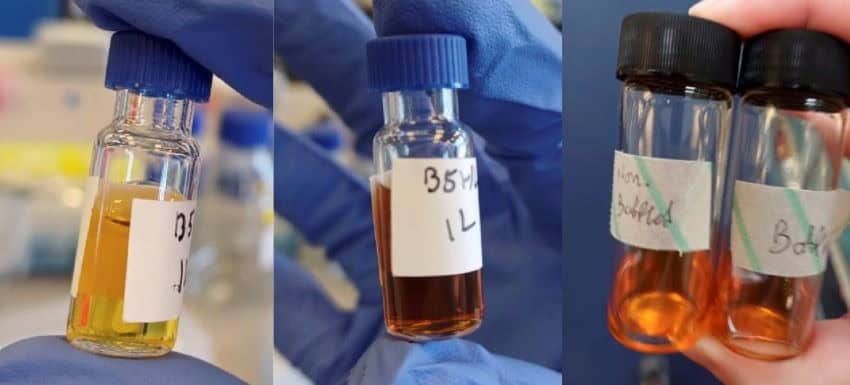
“The reason we really like sponges is because they are the second-earliest form of multicellular life to emerge on the planet,” says Race. “So, they have [one of] the longest, most highly evolved microbiomes, and that amplifies the diversity and number of microorganisms rather than if you just scooped a bunch of sand from the bottom of the ocean.”

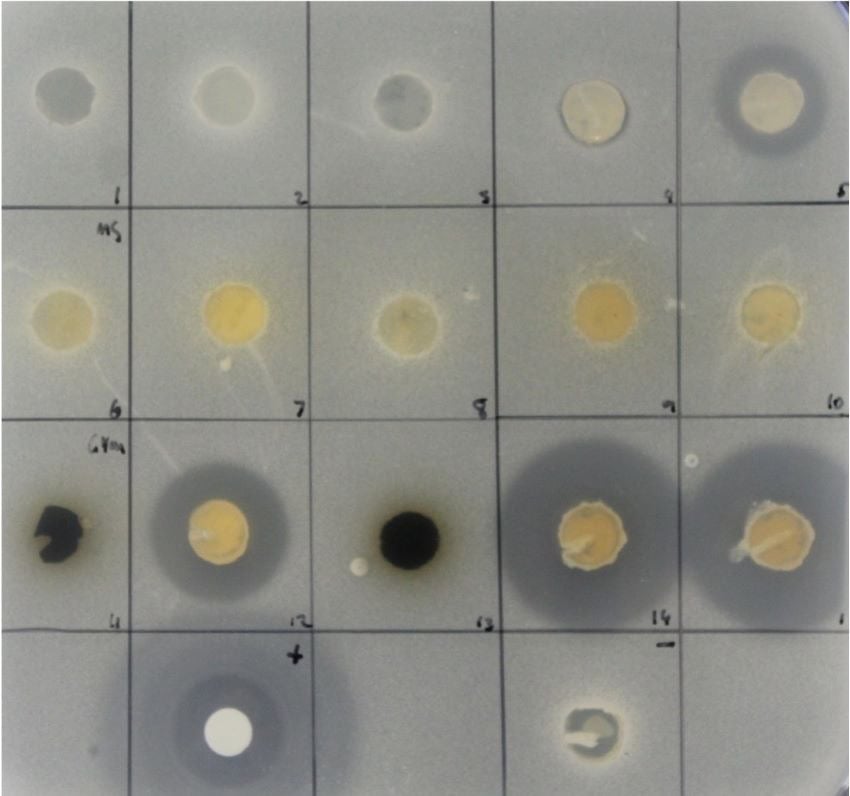
In 2021, researchers from Flinders University reported that 12 sponge samples from the waters around South Australia were found to contain 70 different bacteria that were active against at least one of 11 human pathogens.
Remarkably, 37% of the tested bacteria showed activity against Staphylococcus aureus. Since the advent of penicillin, this bacteria has been steadily developing resistance to the various antibiotics thrown its way.
The most famous multi-drug-resistant strain of S. aureus ismethicillin-resistant Staphylococcus aureus, known more commonly as MRSA. It was responsible for more than 100,000 deaths worldwide in 2019.
Most teams of researchers looking at sponges source them from shallower, coastal seas. But the benefit of a deep ocean trench, says Race, is its extremity.
“The microorganisms that live there are placed under unique and extreme evolutionary pressures – there’s high pressure, there’s salinity, low temperature, low UV exposure and so on,” he explains.
“And so, by looking there, it will increase the probability that we find new antimicrobial natural products that don’t look like molecules that have been discovered previously.”
In 2021, researchers from Flinders University reported that 12 sponge samples from the waters around South Australia were found to contain 70 different bacteria that were active against at least one of 11 human pathogens.
Remarkably, 37% of the tested bacteria showed activity against Staphylococcus aureus. Since the advent of penicillin, this bacteria has been steadily developing resistance to the various antibiotics thrown its way.
The most famous multi-drug-resistant strain of S. aureus ismethicillin-resistant Staphylococcus aureus, known more commonly as MRSA. It was responsible for more than 100,000 deaths worldwide in 2019.
Most teams of researchers looking at sponges source them from shallower, coastal seas. But the benefit of a deep ocean trench, says Race, is its extremity.
“The microorganisms that live there are placed under unique and extreme evolutionary pressures – there’s high pressure, there’s salinity, low temperature, low UV exposure and so on,” he explains.
“And so, by looking there, it will increase the probability that we find new antimicrobial natural products that don’t look like molecules that have been discovered previously.”
Reasons to hope
In August this year, a team of researchers from Finland and Norway reported 2 previously unknown compounds, produced by 2 new strains of Actinomycetota discovered in the microbiomes of invertebrates living in the Arctic Sea off Svalbard, Norway.
These compounds were able to fight against a particularly vicious strain of enteropathogenic Escherichia coli (E. coli) that causes severe and sometimes deadly diarrhoea in children under 5, particularly in developing countries.
The findings were particularly exciting, because one of the compounds was anti-virulent. This means it stopped the bacteria from causing deadly symptoms, but without stopping the bacteria from reproducing.
It did so by preventing the formation of ‘actin pedestals’, which are tiny raised structures that allow the pathogen to attach to the host’s gut lining.
Reducing a bacterium’s virulence without inhibiting its growth means the bacterium is much less likely to develop resistance, because it simply doesn’t need to – there is nothing impeding its core evolutionary purpose, which is to reproduce.
Duncan’s research lab at Newcastle University looks at Actinomycetota sourced from environments that are similarly extreme, including the deep ocean as well as the seas around Antarctica.
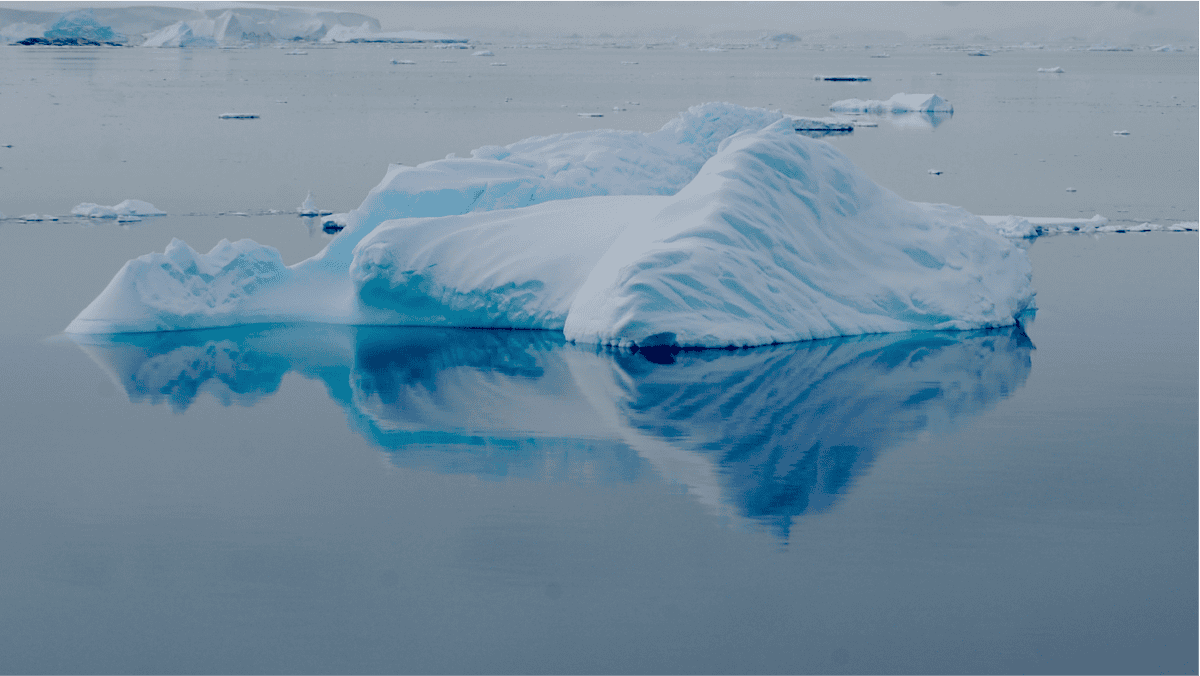
She’s particularly interested in understanding how environmental factors affect which products a microbe can – or will – produce.
Microbial genome sequencing can show which genes code for which molecules, providing a kind of blueprint for the types of chemistry an organism can produce. This window into the gene pool has shown that lab studies of various microbes don’t always exhibit the full potential of their genome.
“For example, if a bacteria had 15 biosynthetic genes, we may see the product of 3 of them [in the lab],” Duncan says.
Hunting for the full suite of potential products, then, requires understanding the unique environments these microbes grow in.
Now, Duncan’s lab records the geographic coordinates, temperature, pressure, salinity and other factors, like time of year, for all samples. Reproducing these conditions in the lab when they culture newly discovered microbes will hopefully help them tease out nuggets of pharmaceutical gold.
Duncan’s lab routinely screens their newly discovered compounds against the so-called ESKAPE pathogens – 6 superbugs on the WHO’s highest priority hitlist. First defined in 2008, the ESKAPE pathogens (Enterococcus faecium, Staphylococcus aureus, Klebsiella pneumoniae, Acinetobacter baumannii, Pseudomonas aeruginosa and Enterobacter spp.) remain some of the most challenging pathogens to treat.
They are notoriously consummate escape artists, and they have been known to ‘share’ their resistance innovations through horizontal gene transfer.
While the future can seem bleak under the growing cloud of AMR, Duncan finds ample reason for optimism.
“I think the [COVID-19] pandemic showed that we can accelerate drug discovery if there’s motivation, so that’s quite encouraging,” she says.
Global benefit-sharing agreements mean that researchers around the world can access data and samples more easily and equitably. Such agreements include the 2010 Nagoya Protocol, which ratifies in law the sharing of benefits from genetic resources, and the UN’s BBNJ Agreement, which requires signatories to use and share biodiversity from the high seas sustainably.
And antimicrobial resistance isn’t the only problem being tackled through marine and extreme-environment drug discovery.
A natural product known as Salinosporamide A, derived from the actinomycete Salinospora tropica, a bacteria found in marine sediments,is emerging as a potential anti-cancer agent.
The drug, known also as marizomib, is currently in clinical trials for several types of cancer. But the journey from discovery to drug delivery is a long one. Salinosporamide was first discovered in 2003, and entered Phase I human trials 3 years later, but has still not come to market.
Nonetheless, plenty of new products are being investigated. The abyssomicins – a collection of natural products isolated from an actinomycete found in sediment in the Japanese Sea – show promising antibiotic, anti-tumour and antiviral activity.
“We talk a lot about the struggle for drug discovery, but it’s also quite exciting,” says Duncan. “Discovery is our job, and not many people get to say that.”
Amalyah Hart is a science journalist based in Naarm/Melbourne. Her story on insect consciousness appeared in Cosmos 104.
The Ultramarine project – focussing on research and innovation in our marine environments – is supported by Minderoo Foundation.